Our Open Banking Strategy
Integrating an Open Banking System to the Existing Technology Stack
First, you need to front the existing system architecture (which usually follows the messy spaghetti pattern) with an integration layer. This layer allows you to expose all the required services to the open banking solution, which will, in turn, expose them as APIs with the required identity and access management (IAM) checks. Once this step is done, the regulatory hurdle is accomplished.
- Financial institutions operating in Europe are required to adopt Open Banking standards.
- Financial institutions worldwide have begun adopting similar standards.
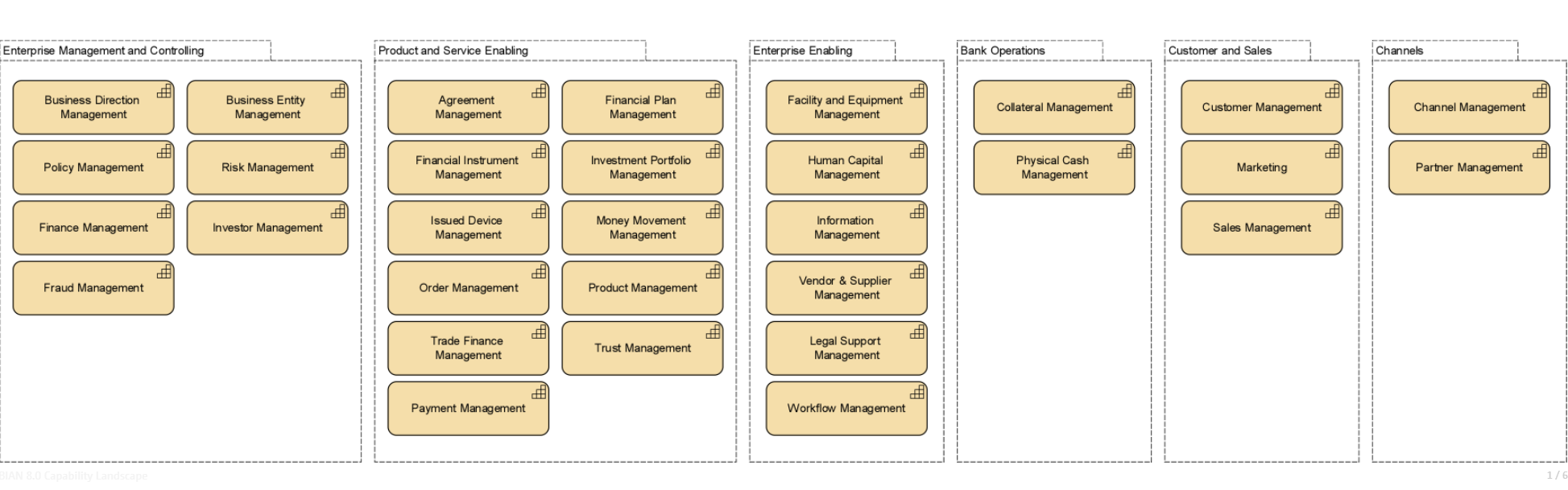
- BIAN methodologies enable interoperability and best practices between global players in the banking industry.
- BIAN APIs streamline adoption of modern banking interoperability for global banks.
- BIAN APIs are not required, rather they are available to simplify digital transformation.
Integrating an Open Banking System to the Existing Technology Stack
First, you need to front the existing system architecture (which usually follows the messy spaghetti pattern) with an integration layer. This layer allows you to expose all the required services to the open banking solution, which will, in turn, expose them as APIs with the required identity and access management (IAM) checks. Once this step is done, the regulatory hurdle is accomplished.
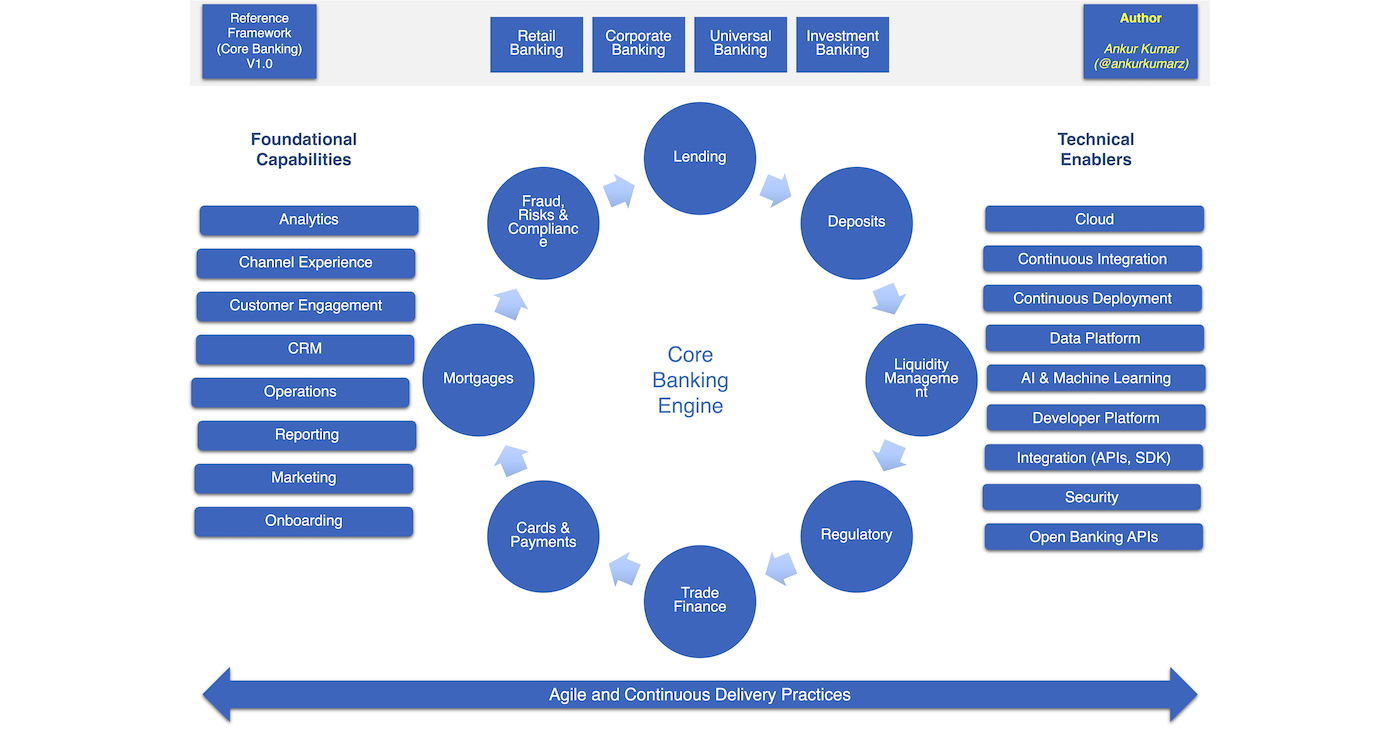
Banks can re-use the integration layer and the API management technology used for the open banking requirement to transform their existing architecture to a more structured, digitized architecture by following the below steps:
- Integrate all systems with each other via a common integration layer.
- Create two separate integration clusters for business and enterprise systems.
- Standardize API and service interfaces to consume services.
- Expose legacy systems as web services via the integration layer.
- Create an API catalog and documentation for better service discovery and easier adoption.
- Manage throttling and rate limiting on services exposed.
- Introduce RBAC (Role B
- ased Access Control) and ABAC (Asset Based Access Control) for service invocations.
The BIAN Architecture enabling banks is shown below