1. The twenty+ point Blufountain African Banking Digital Transformation Guidelines.
1.1 Background:
The Blufountain banking guidelines were designed for emerging African banks to transform into modern banks. Key among the 20 points of recommendation and guidelines is to measure the success of that bank as it transforms into the future. The Blufountain Digital Transformation guidelines do work with other major blueprints in banking and one can assess their bank for readiness using the same guidelines.
Recommendations however will differ country to country based on regulatory limitations and economy size.
1.2 What is digital transformation in banking?
Digital transformation in banking refers to integrating various fintech technologies to automate, optimize, and digitize processes in the banking industry.
1.3 How mature is Digital transformation in African banking?
African banks suffer from digital challenges like data costs, network challenges , regulatory frameworks , skills migration to Europe slow government technological advancements, currency fluctuations, and high unemployment in some key African countries.
1.4 How can the African bank transform into a modern bank?

For African banks with huge young population growth , massive urbanization with cities like Dar es Salam projected to have population of 50 million around 2050-60 need for urbanization is imperative.
The 25 digital transformation point plant is shown by the KaribuTech AI team to help banks in Africa transform and adapt to the AI, Blockchain and Banking as Service boom

2.1 Can legacy banks use digital transformation in banking?
Legacy Banks in Africa are limited by cost of converting to new technologies, security breaches, API non-readiness as well. The following can help transform into the modern future bank

2.3 Promising lights in digital transformation in African banking?
African banks can take advantage of key technological advances including
a. Rollout of fiber and 5G network
b. Introduction of Satellite communication like StarLink
c. Introduction of eSim technology to enable MVNO in banks
- d. Huge increase ein FinTechs especially in the Mobile Money space
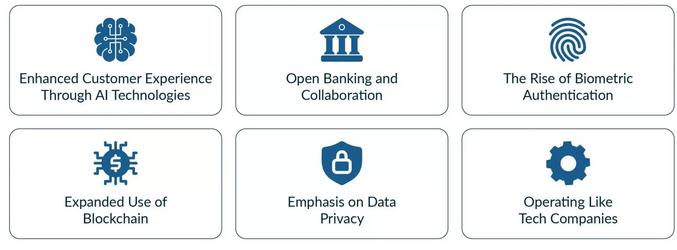
2.4 Can legacy banks use digital transformation in banking?
Legacy Banks in Africa are limited by cost of converting to new technologies, security breaches, API non-readiness as well based on the following
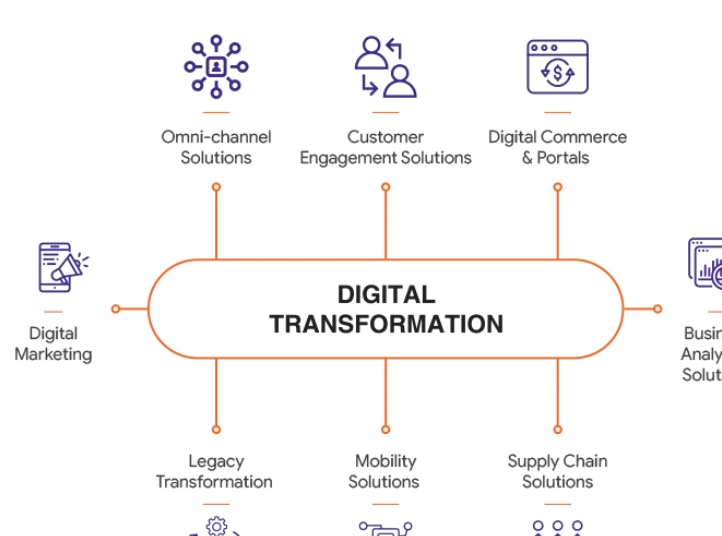
2.5 Triggers of digital transformation in banking?
Digital transformation is triggered when bank goes some form of transformation like a
Merger,
Acquisition,
Regulatory changes,
regional expansion.
2.6 Steps in digital transformation in banking?
Digital transformation in banking refers to integrating various fintech technologies to automate, optimize, and digitize processes in the banking industry.
3. SWOT Analysis In African Banks
a) Do a digital capability assessment of current state using different measuring frameworks.
b) The assessment is on both business capabilities and technical capabilities
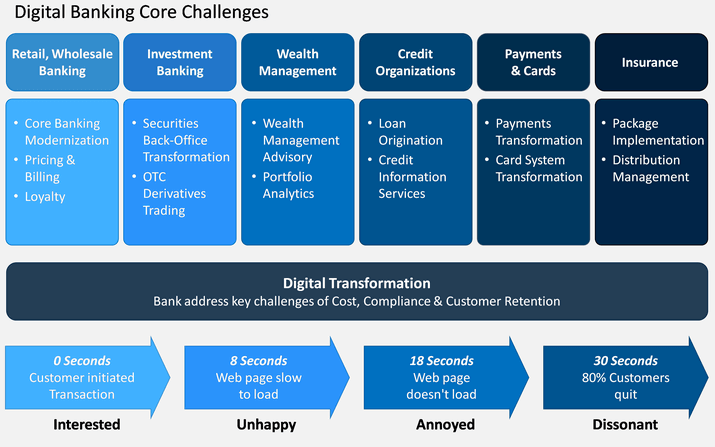
3.2 Opportunities: The opportunities include the ability of the banks to convert the unbanked using such tools like mobile money and USSD as well as mobile app penetration. The threat being the high cost of data accross the region.
3.3 What are the strengths and weaknesses
a) The assessment objectives include the need to transform the customer experience for the African bank in the rural area as well as in the urban areas. The strengths in Africa is the high mobile penetration and also its young population hence they can embrace digitization easily.
b) Improving literacy rates, high GDP and economy growth rates and high population growth rates gives Africa a competitive edge in being a banking market.

3.4. Insights: This dimension caters to realize how well an organization
utilizes business and customer information to measure their success metrics in various domains
4. Carry OUT ASSESSMENT OF WHATS There: Current Bank
a) Do a digital capability assessment of current state using different measuring frameworks.
b) The assessment is on both business capabilities and technical capabilities
c) AI, Blockchain, Automation, Low Code platforms and big data analytics drive the key needs of this digital bank
d) Changing customer needs, digital adoption, social media and customer personalisation needs also drive this bank of the future picture.
e) Measurement of current as is can use such frameworks like the Temenos Value Benchmark as shown in the diagram
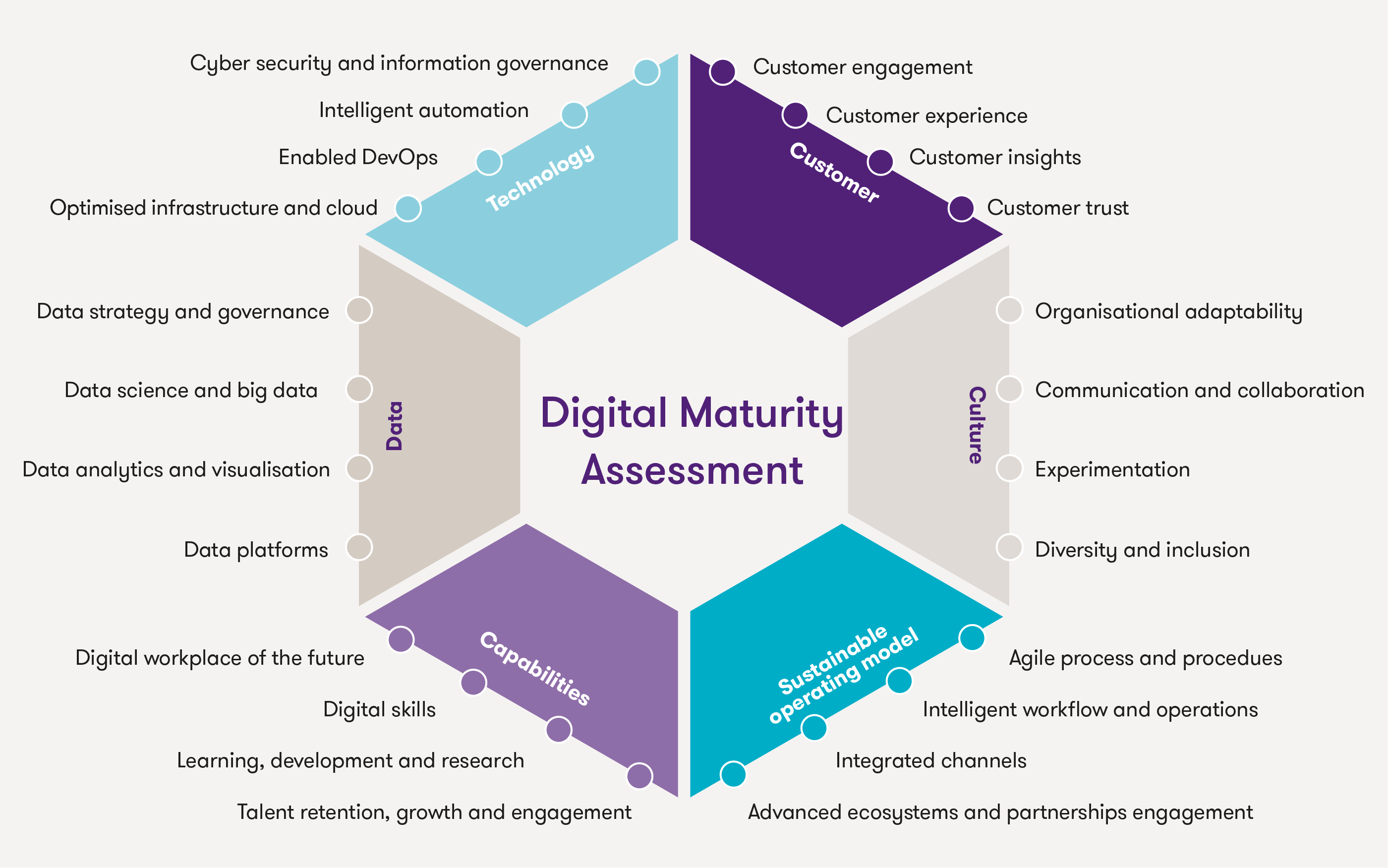
Forrester’s Digital Business Maturity Model 4.0. has skeptics, adopters, collaborators and Differentiators ad levels of maturity. Key
4.1. Culture: caters to an
organization’s focus towards digital advancement and considers the need to empower employees
with digital technology and equip them with digital trainings.
4.2. Technology: This dimension adheres to the need for adoption of cutting edge and emerging technologies by the company.
4.3. Organization: This dimension caters to the steps taken by company to support governance, digital strategy, and execution.
4.4. Insights: This dimension caters to realize how well an organization
utilizes business and customer information to measure their success metrics in various domains
The following integration assessment model can also be used to check level of automation and business process maturity.
Other measurement maturity models that can be used include
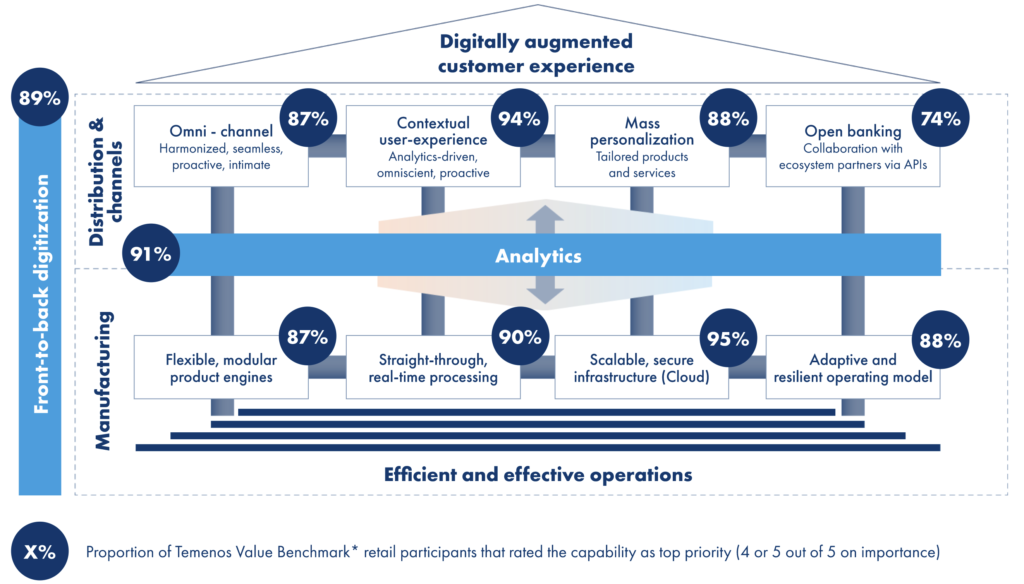
4.5 Other measurement maturity models that can be used include:
1. McKinsey Digital Quotient: This model assesses an organization's digital transformation maturity in four stages: Beginner, Intermediate, Advanced, and Leading. The model focuses on four critical areas: Strategy, Culture, Organization, and Operations.
2. Capgemeni Digital Maturity Assessment model
3. ISACA®’s Capability Maturity Model Integration (CMMI®) model.
4. Gartner Digital Business Maturity Model: This model assesses an organization's digital transformation maturity in five stages: Stage 1: Analog, Stage 2: Digital Marketing, Stage 3: Digital Business, Stage 4: Digital Ecosystem, and Stage 5: Autonomous Business. The model focuses on five critical areas: Strategy, Leadership, People, Process, and Technology.
4. Deloitte Digital Transformation Maturity Model: assesses an organization's digital transformation maturity in five stages: Traditionalist, Fashionista, Follower, Digirati, and Digital Leader. The model focuses on three critical areas: Strategy, Talent, and Technology.
5. Map out what the Target Bank needs to be
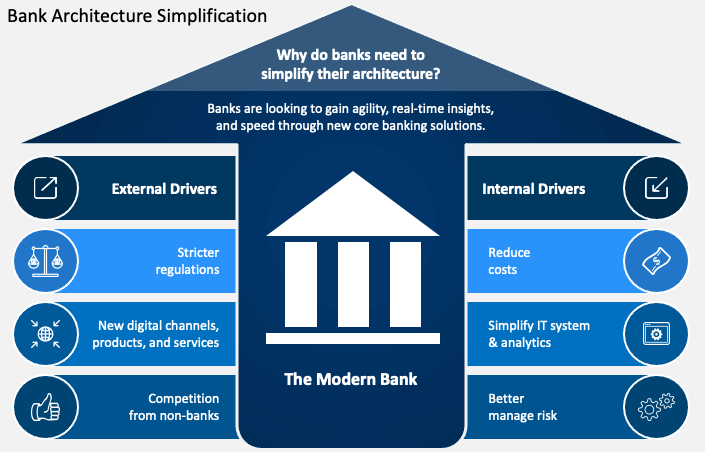
5.1 The new strategy governed by regulatory impediments, market competition, budget limits govern how the bank of the future needs to look like.
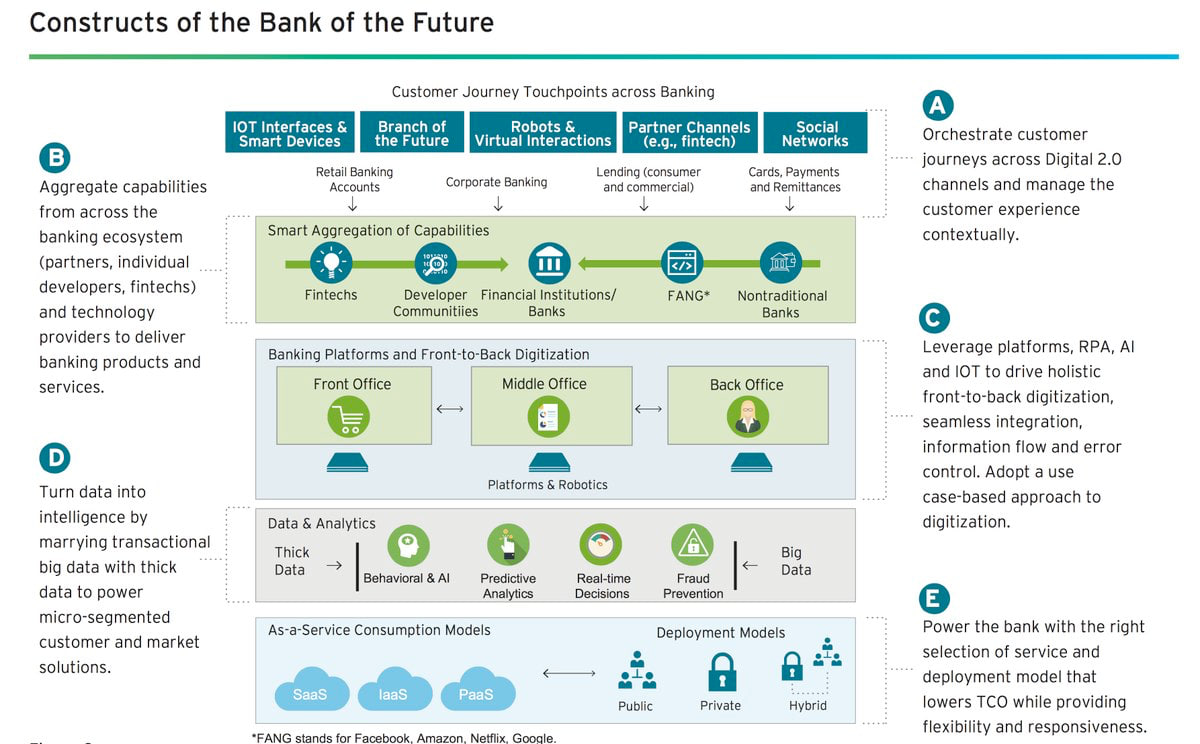
5.2 Changing customer needs, digital adoption, social media and customer personalization needs also drive this bank of the future picture.
5.3 AI, Blockchain, Automation, Low Code platforms and bigdata analytics drive the key needs of this digital bank
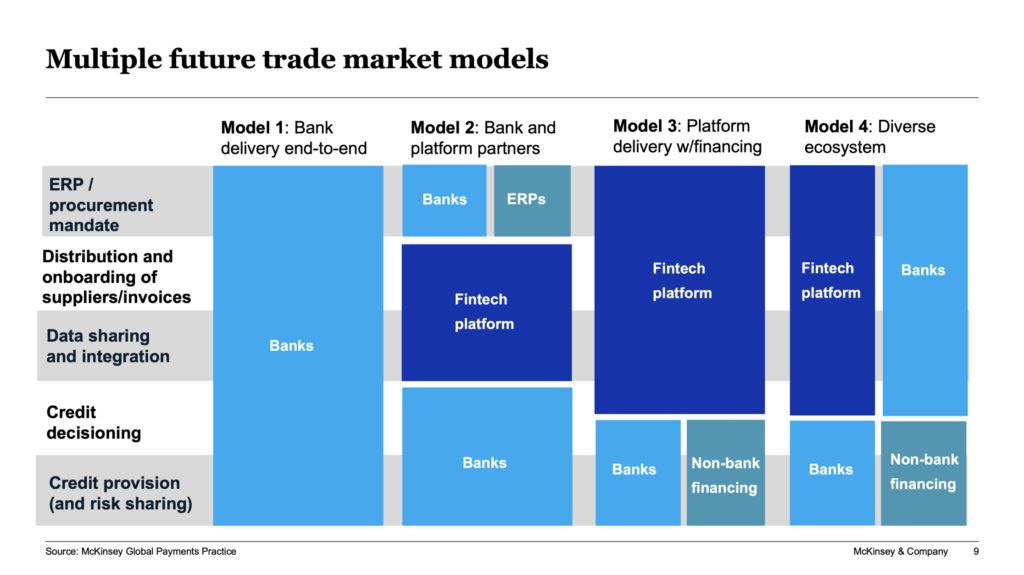
5. 4 Banks can choose based on their strategy which model they want to get into
5. Define BuSiness Architecture Capabilities
5.1 The business architecture will include defining of key value streams categorising the business entity of the bank. Key recommendations include adoption of BIAN as an architecture framework.
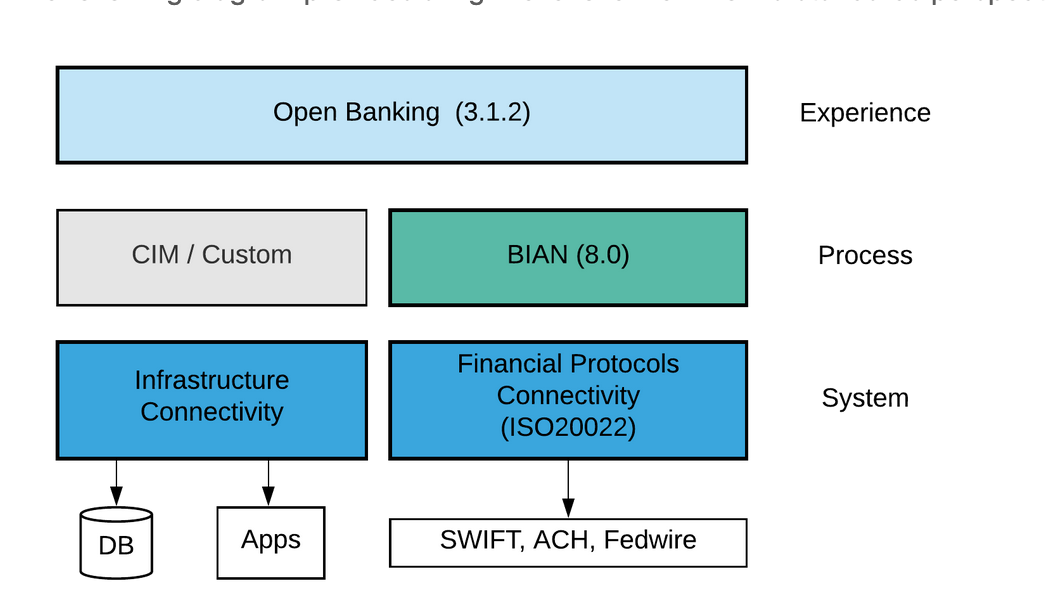
5.2 Business centric capabilities should be the ones measured using a customer centric approach
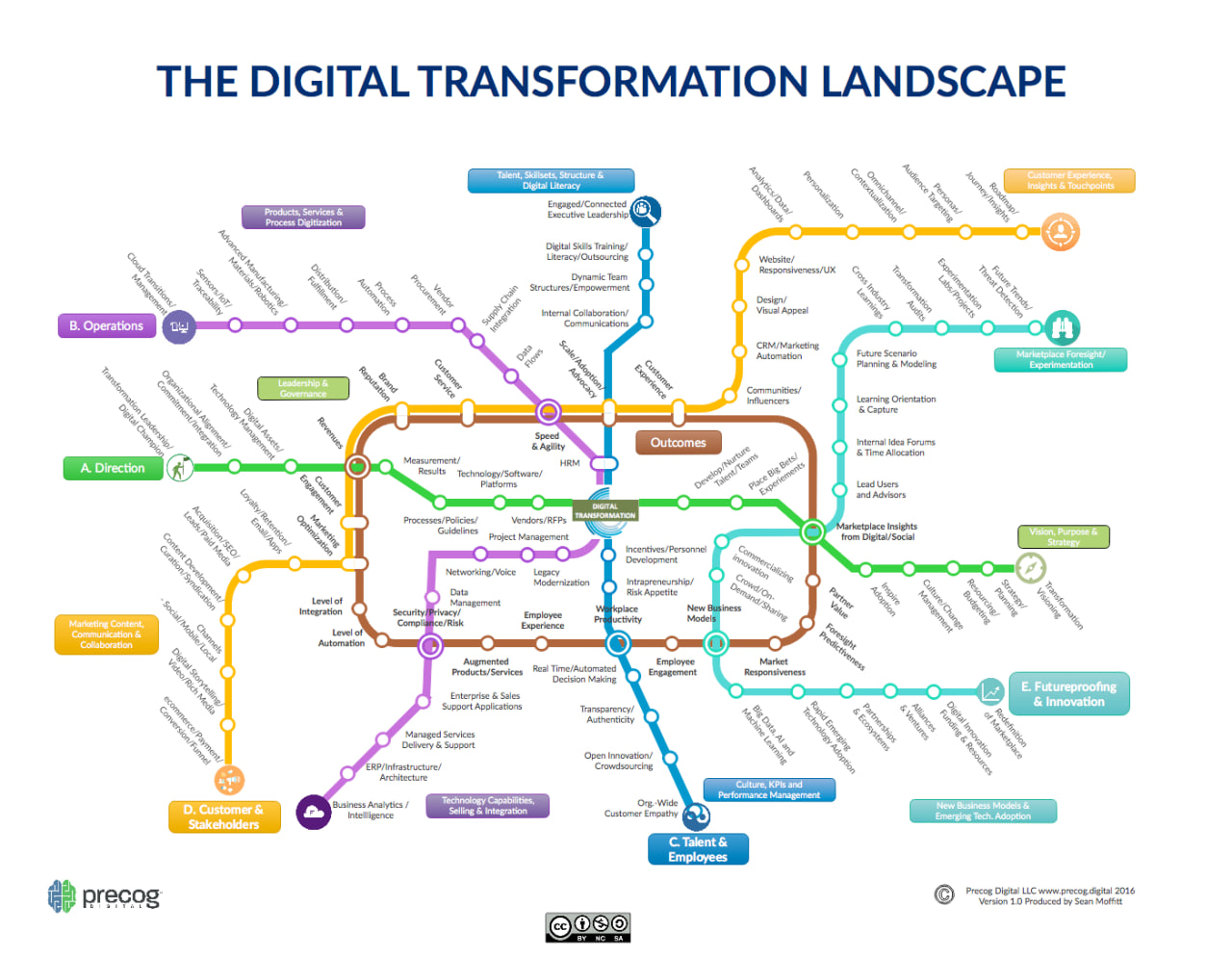
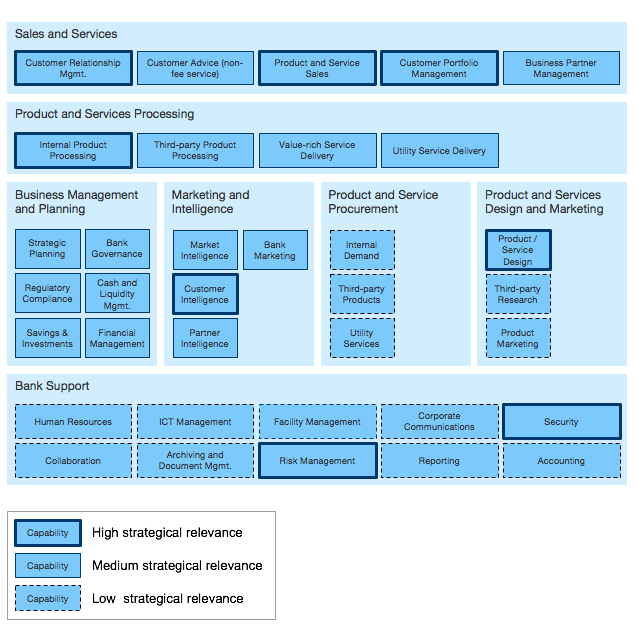
The business architecture will include defining of key value streams categorising the business entity of the bank. Key recommendations include adoption of BIAN as an architecture framework.
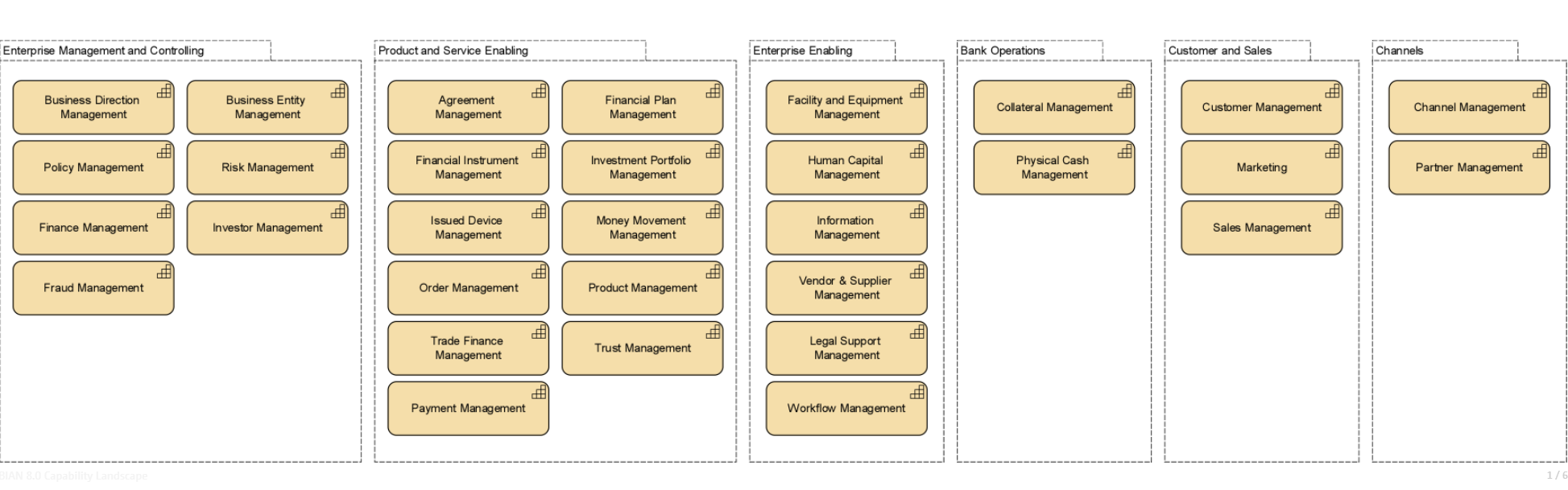
The business architecture will include defining of key value streams categorising the business entity of the bank. Key recomendations include adoption of BIAN as an architecture framework.
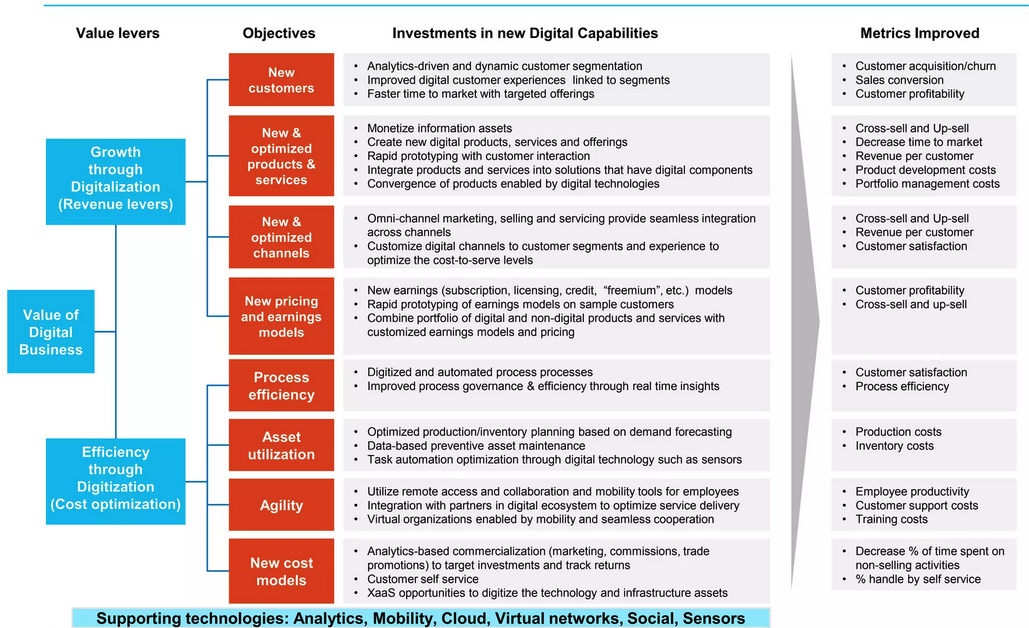
5.6 Key steps that can be followed include the following
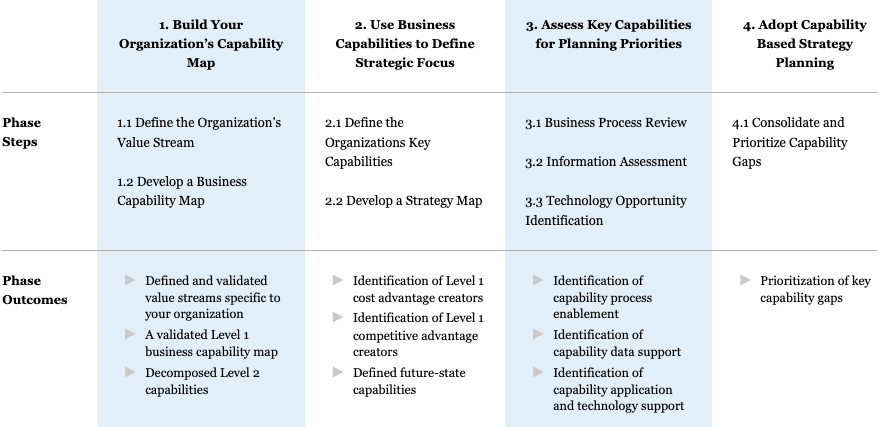
The timelines of the above steps depend on the banking strategy of transformation and reason for transformation. Regulatory transformation timelines however can not be changed
5.7 Key stakeholders in the exercise include enterprise, solution and local business and IT teams as well as Fintech partners
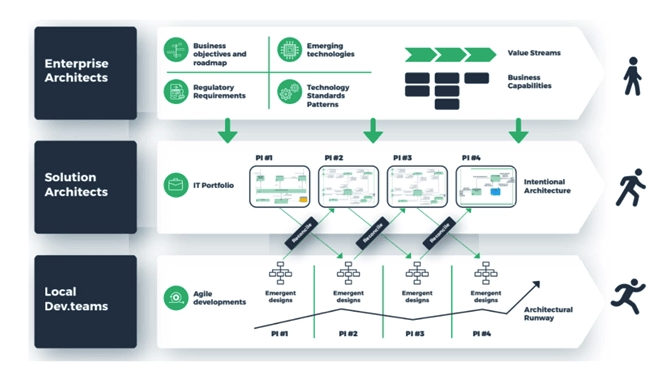
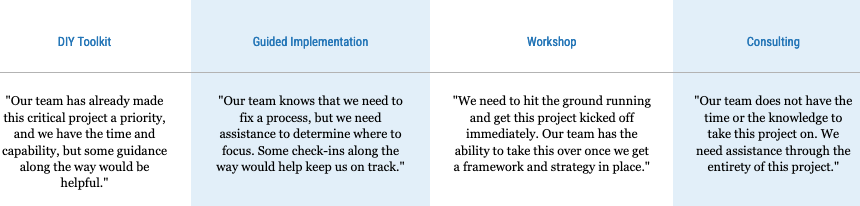
5.8. These options for the mapping can be done in different approaches including the following:
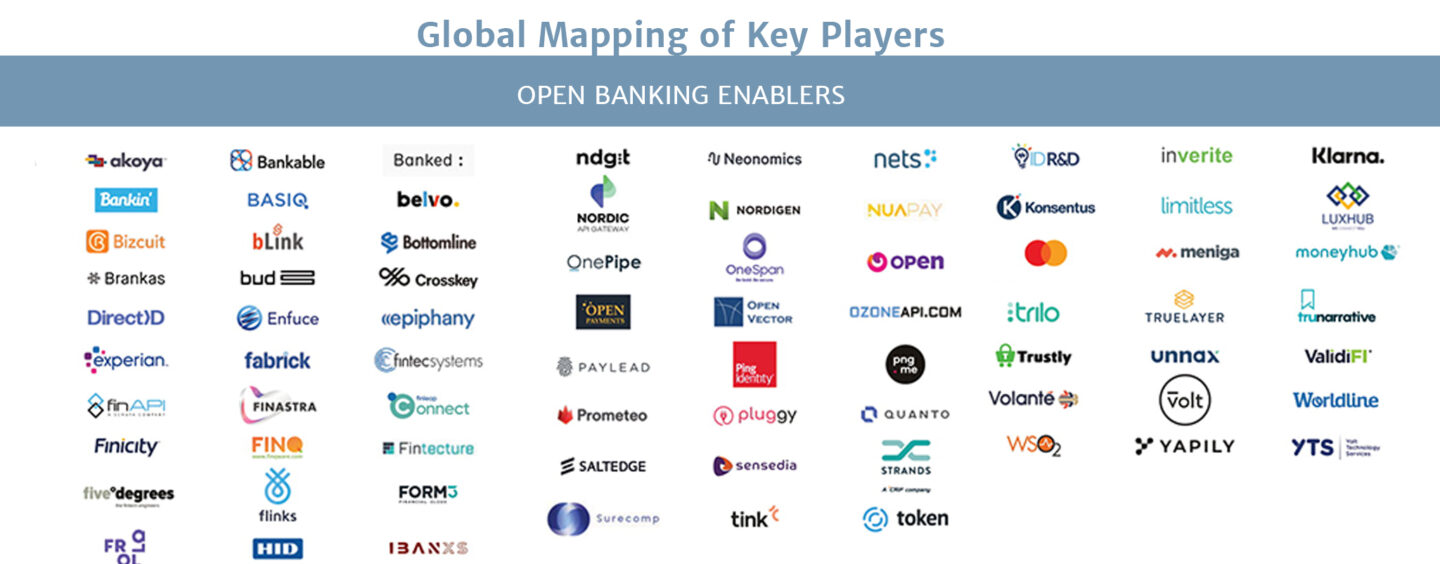
5.9. Inclusion of fintechs and open banking partners is critical and some of the partners that can be involved in the mapping of the business capabilities include the following.
6. Define the future capability and value streams stack
The business architecture will include defining of key value streams categorising the business entity of the bank. Key recommendations include adoption of BIAN as an architecture framework.
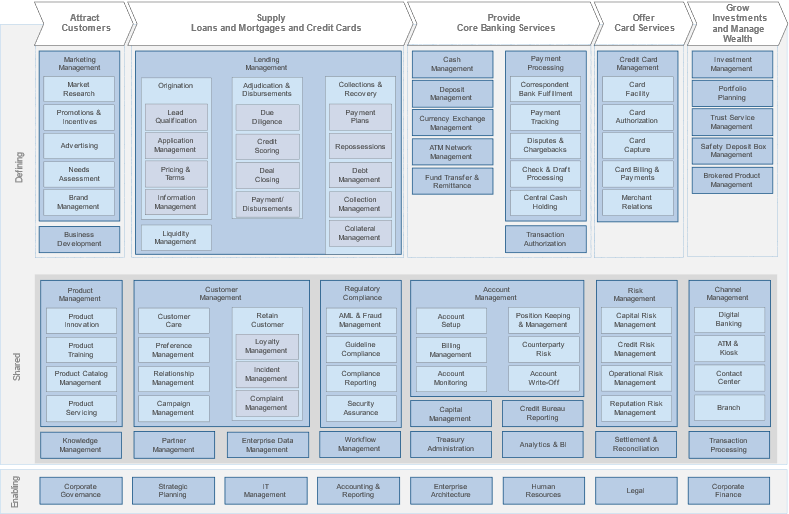
6.1 The business architecture will include defining of key value streams categorising the business entity of the bank. Key recomendations include adoption of BIAN as an architecture framework.
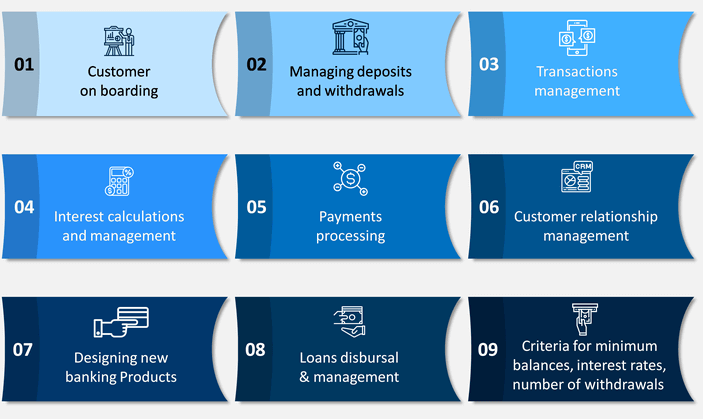
6.2 The insurance business architecture will include defining of key value streams categorising the business entity of the insurance division. Modern banks incorporate banking and insurance in one.

6.3 The business architecture will include also consider other capabilities including regulatory changes, security as well as customer data. security and risk management

6.4 The business architecture will include defining of key value streams categorising the business entity of the bank. Key recomendations include adoption of BIAN as an architecture framework.
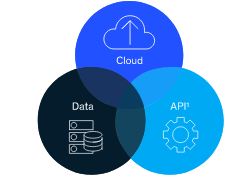
7. Define the future technology stack
The Technology architecture will include defining of key value streams categorising the business entity of the bank. Key recommendations include adoption of BIAN as an architecture framework.
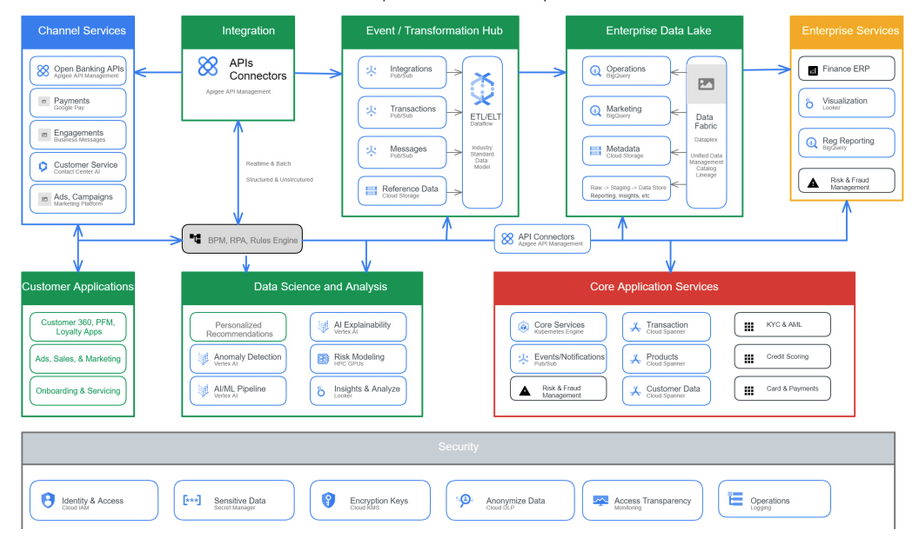
7.1 White label banking architecture is recommended

Other business capabilities taken into account that can be used include
7.2 Self service capabilities are key in the modern bank
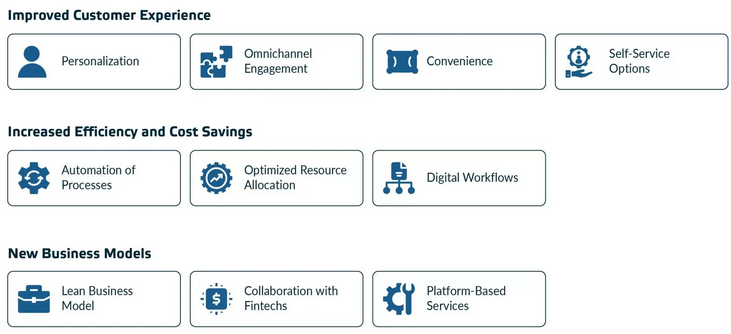
7.3 The architecture can be in the evolving , mature or optimised stage

The approach should always be following an omni-channel approach
7.4 Other components include the Core Banking Architecture, the CRM Architecture, Data Architercture as well as Payment Architecture and other business units like Retail and Investment Banking.
8. Define the core banking system strategy
The Core Banking Technology architecture will consider, cost, time to market, API readiness as part of its migration and transition into new ready core banking technologies.

8.1 Key core banking solutions one can utilise in the African space include
Where possible new generation of cloud-native core banking platforms is emerging, including Mambu, 10X, Thought Machine, and FinXact, alongside offerings from the traditional core platform vendor
8.2 Full replacement of the core with a new tech stack. Banks often pursue this course of action when they urgently need to replace their core platforms because of obsolescence or regulatory imperatives. However, it can be risky.
It requires extensive data migration and the benefits are typically only realized when the final customer is migrated and the legacy systems are decommissioned.
8.3 Banks generally choose a traditional platform as the replacement, reflecting concerns that next-generation platforms are not yet fully proven or focused on a subset of products and features.
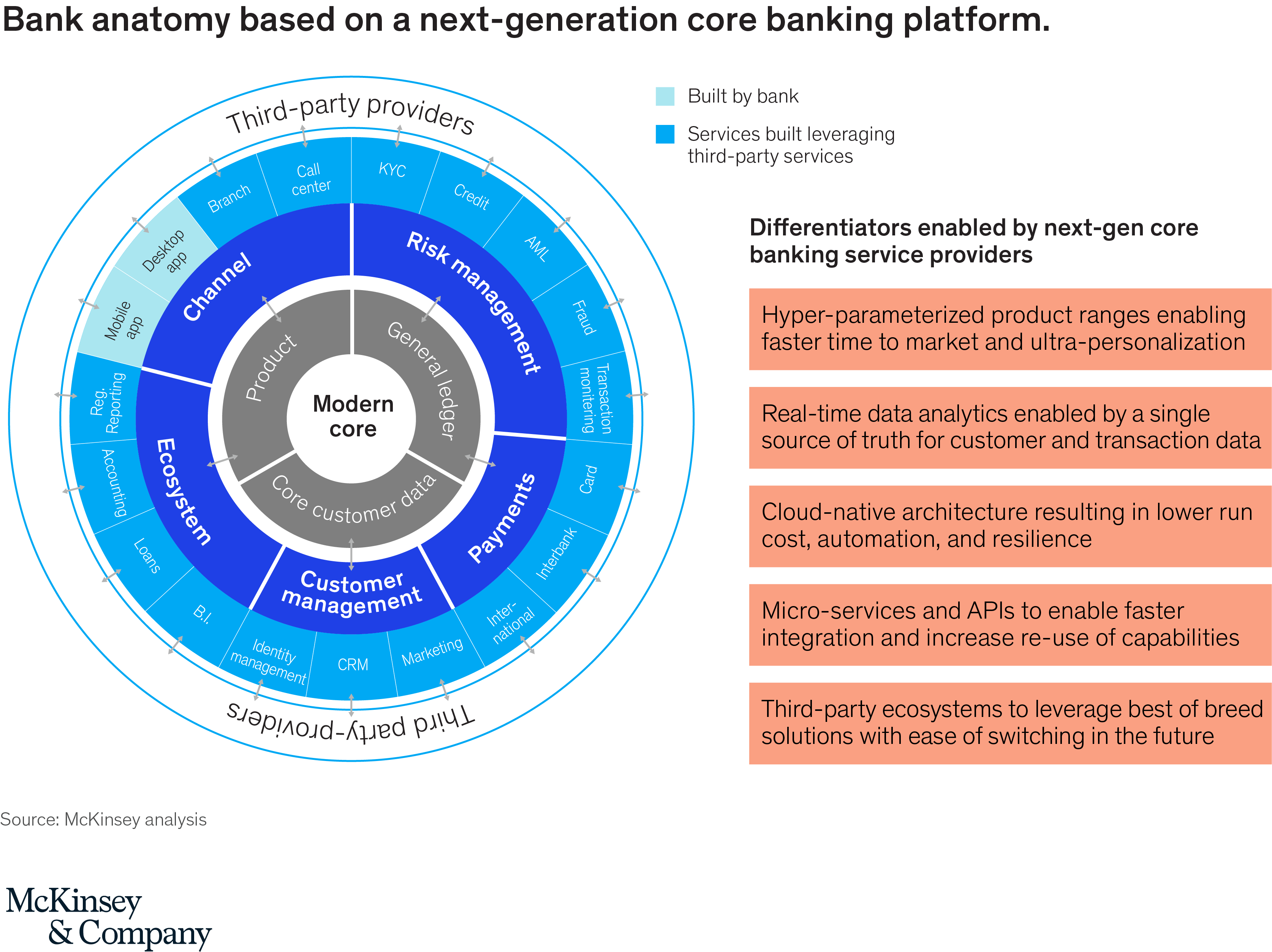
8.4 Legacy platforms inhibit performance:
Cost. Cost is more important than ever given low industry return on equity (ROE). Yet technical debt in legacy systems consumes large chunks of IT spend
Time to market. Being able to launch products quickly is a critical competitive differentiator in the current crowded marketplace.
Personalization. Customers increasingly expect a personalized experience. But banks often store data in multiple product-aligned core systems, which inhibits catering to individual needs.
8.5 Neo-banks
- Build value proposition based on addressing customer needs not currently
served by traditional players
- Structure platforms to encompass open banking APIs/Anticipate regulatory challenges
9. Adopt Cloud Computing
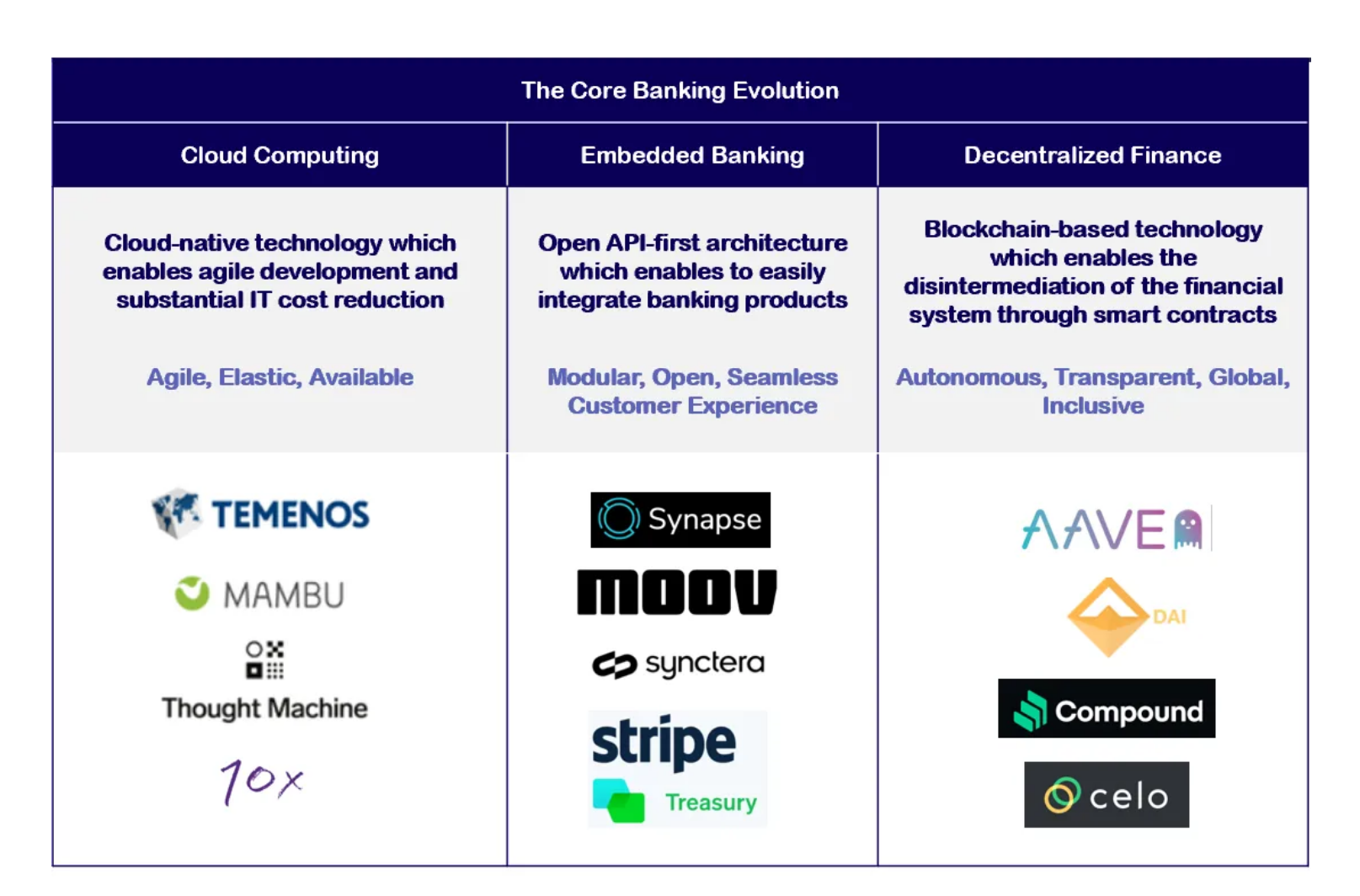

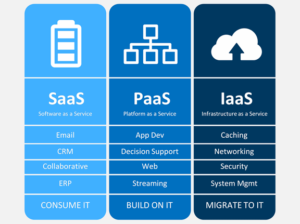
The bank can adopt a mixed strategy with onprem for high risk solutions and regulatory monitored solutions, cloud on AWS, Azure and Alibaba for Platform Banking,
1. Platform as a Service,
2. Software as a Service Banking Solutions or
3. Other functions and also use third party solutions.
10. Adopt AI and IOT
10.1 The business architecture will include defining of key value streams categorising the business entity of the bank. Key recommendations include adoption of BIAN as an architecture framework.
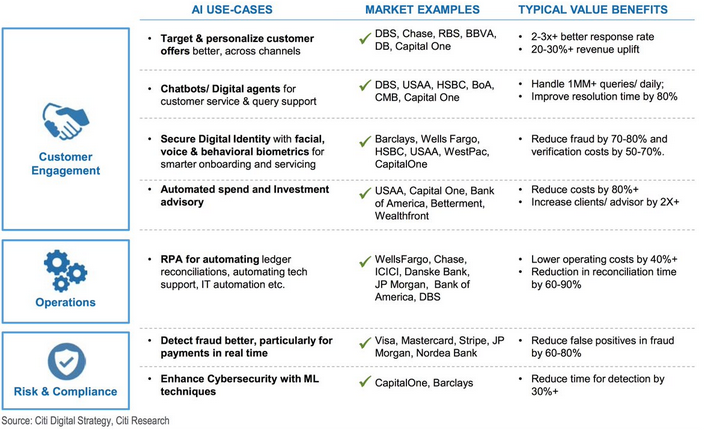
10.2 The data architecture of bank processes transforms into AI and Generative AI as follows
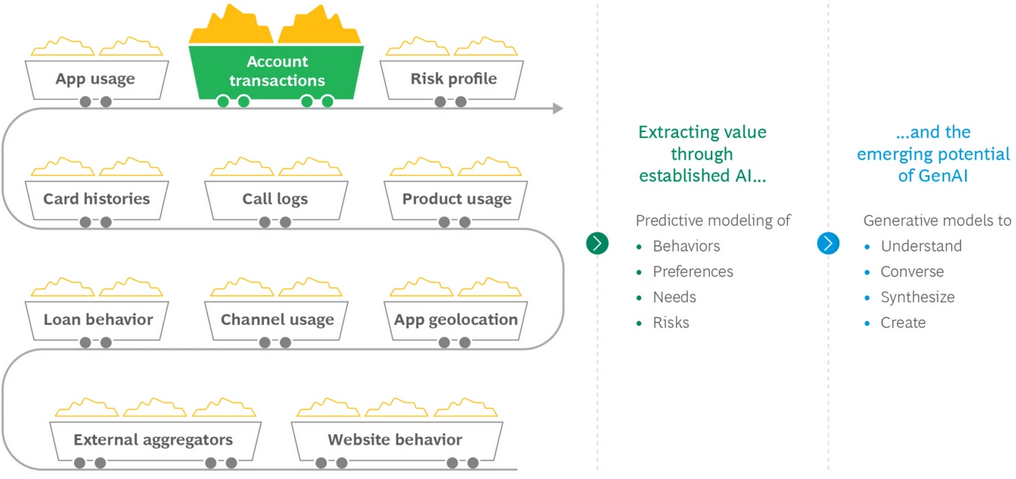
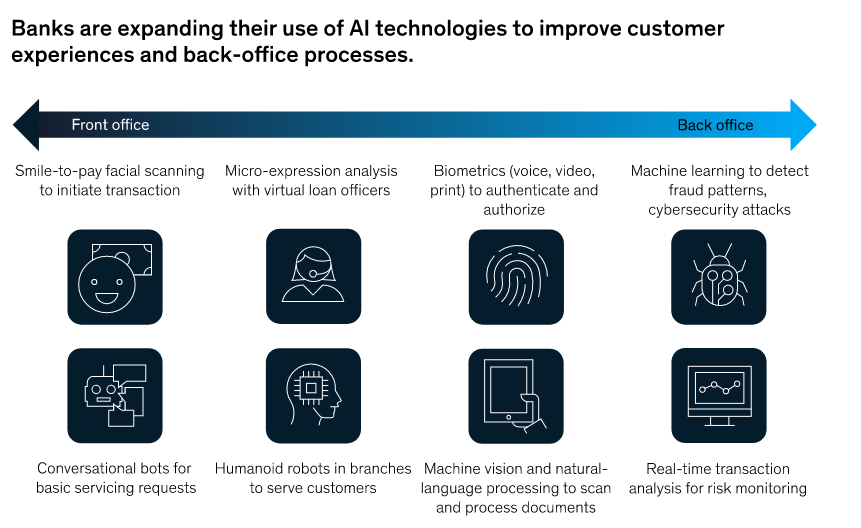
10.3 The following services are impacted by AI in different forms

11. Adopt Platform Banking
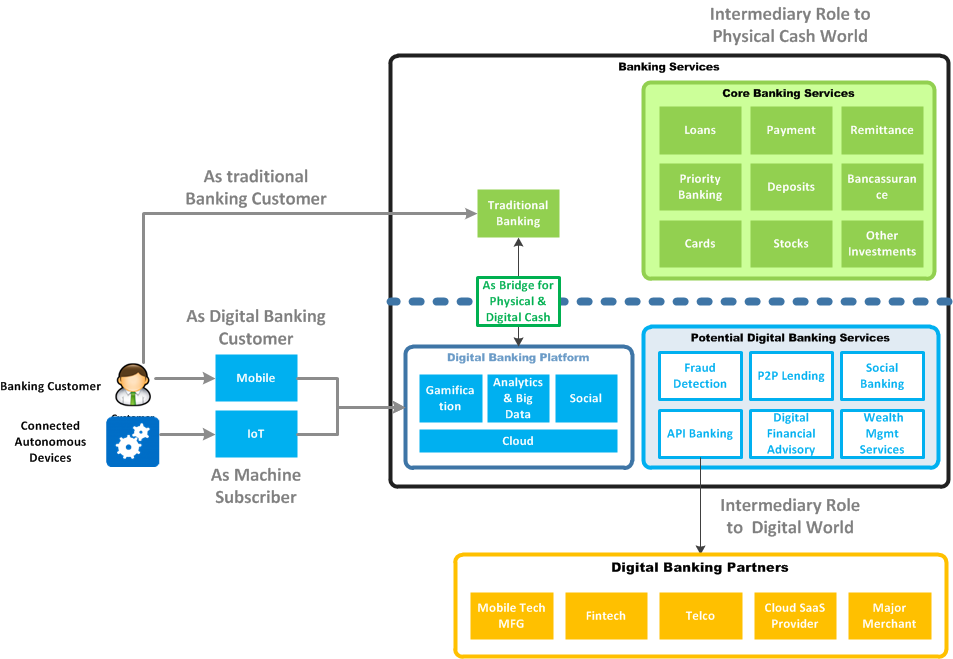
11. 1 Platform Banking is a digital marketplace enables a bank to sell other non bank and create a marketplace using such tools like superapps as well as creating guarantees for service providers and link clients on the service platform.
11. 2 Platform Banking is a digital marketplace that is owned and maintained by a bank or another third party and provides banking and nonbanking services.
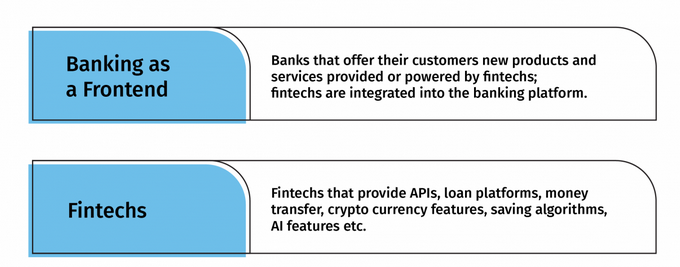
11.3 The bank can adopt a mixed strategy with onprem for high risk solutions and regulatory monitored solutions, cloud on AWS, Azure and Alibaba for Platform Banking,
1. Platform as a Service,sell other services using mobile superapps and eCommerce mall capabilities
2. Software as a Service Banking Solutions or
3. Other functions and also use third party solutions.
12. Adopt Open Banking
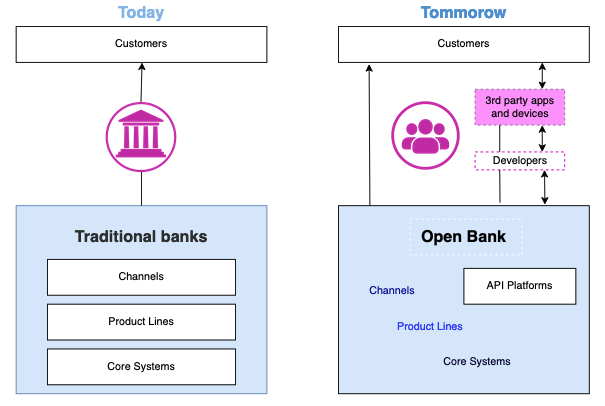
12.1 With open banking the digital bank utilise best of the best strategy utilities in the market and also change whenever they need using APIs. Pay as you use is one major advantage
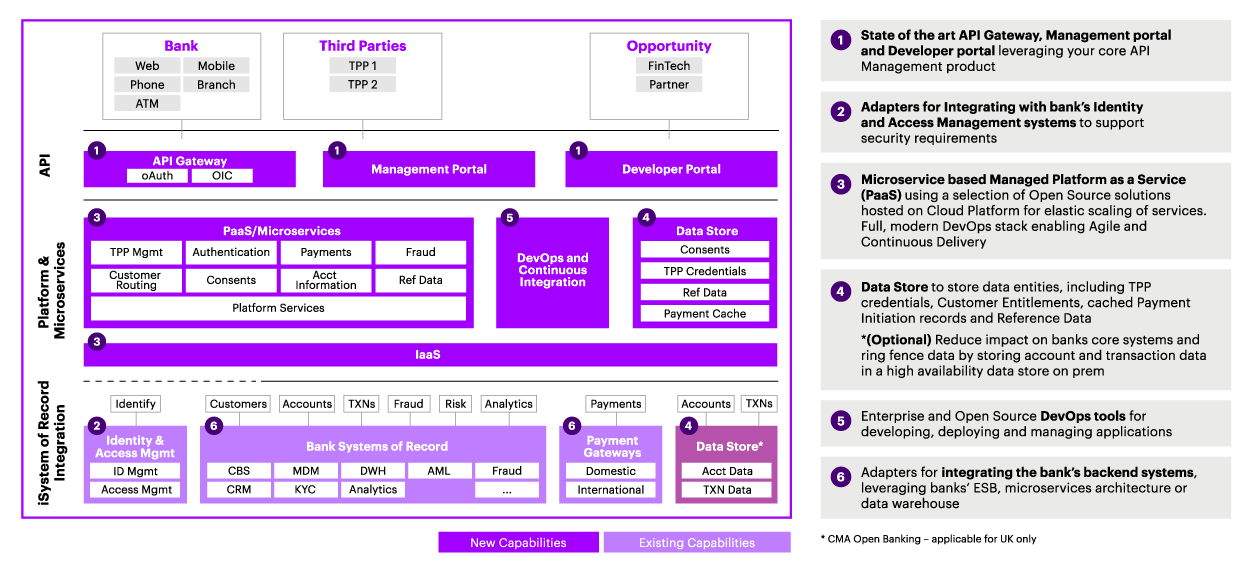
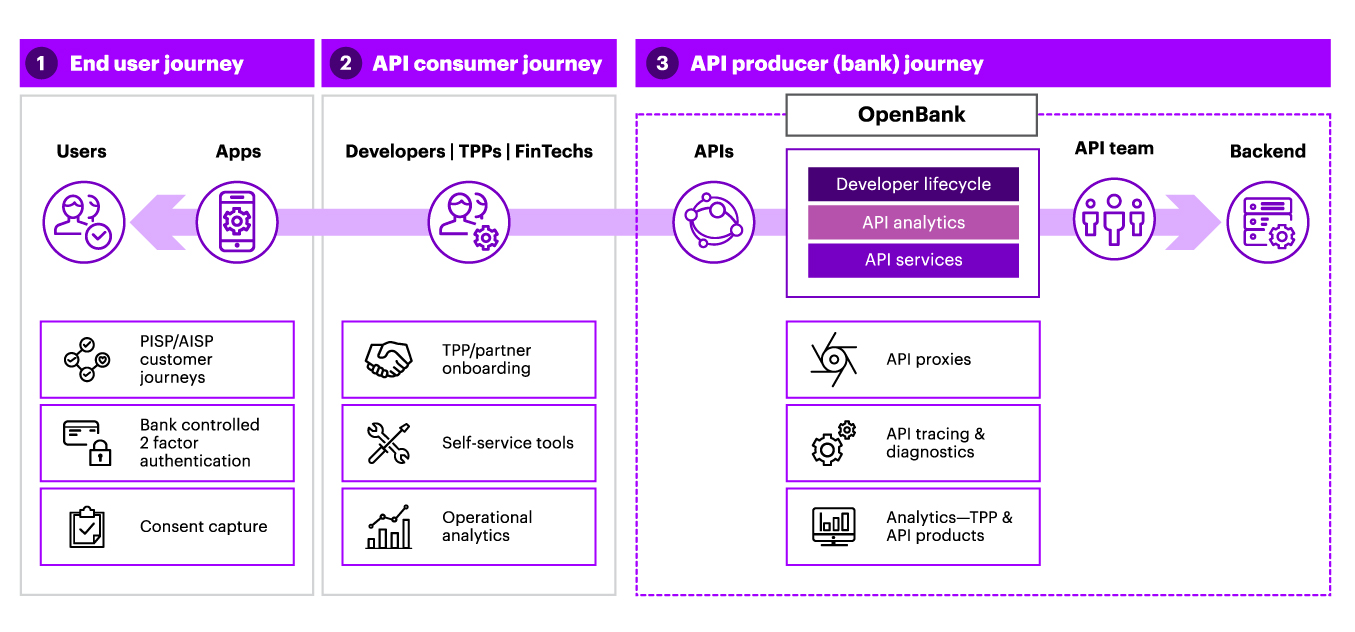
12.1 End user journeys can be defined to align with an open banking strategy
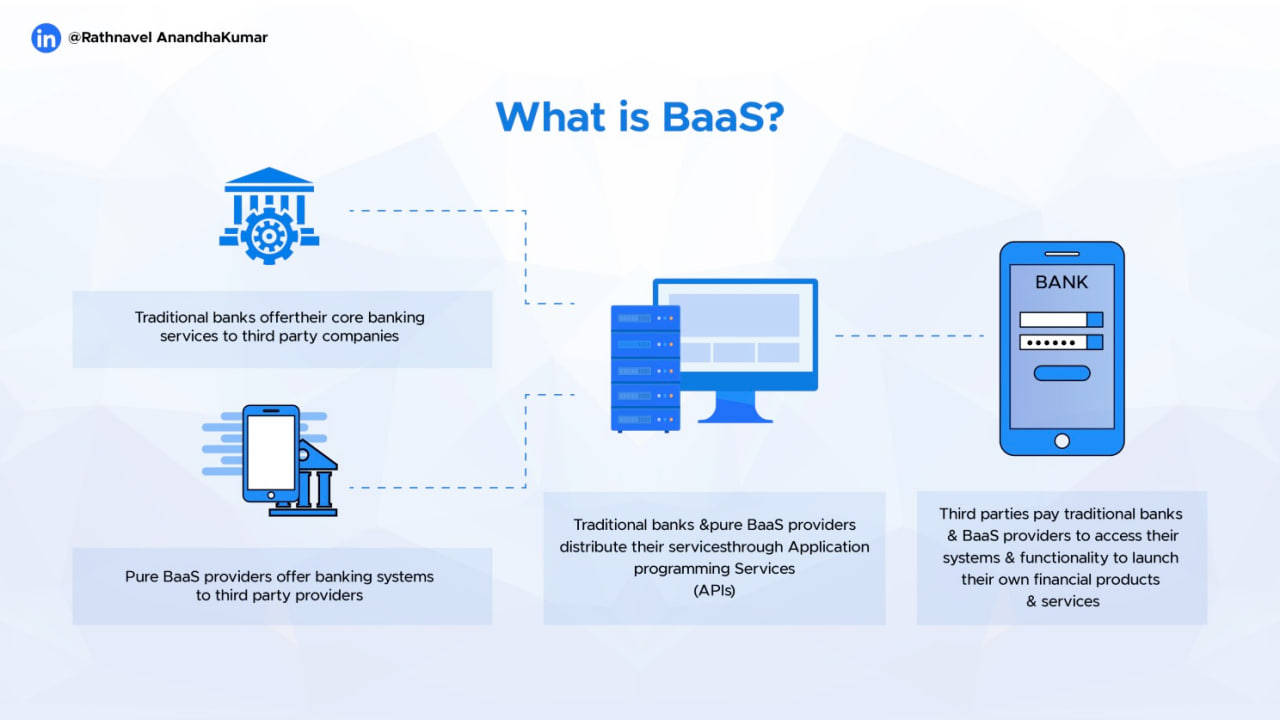
13. Adopt Banking as a Service
With BaaS the bank can adopt
Frameworks like Backbase to expose internal services to third parties
13.1 Refers to the integration of a licensed bank's digital banking services directly into non-bank products.
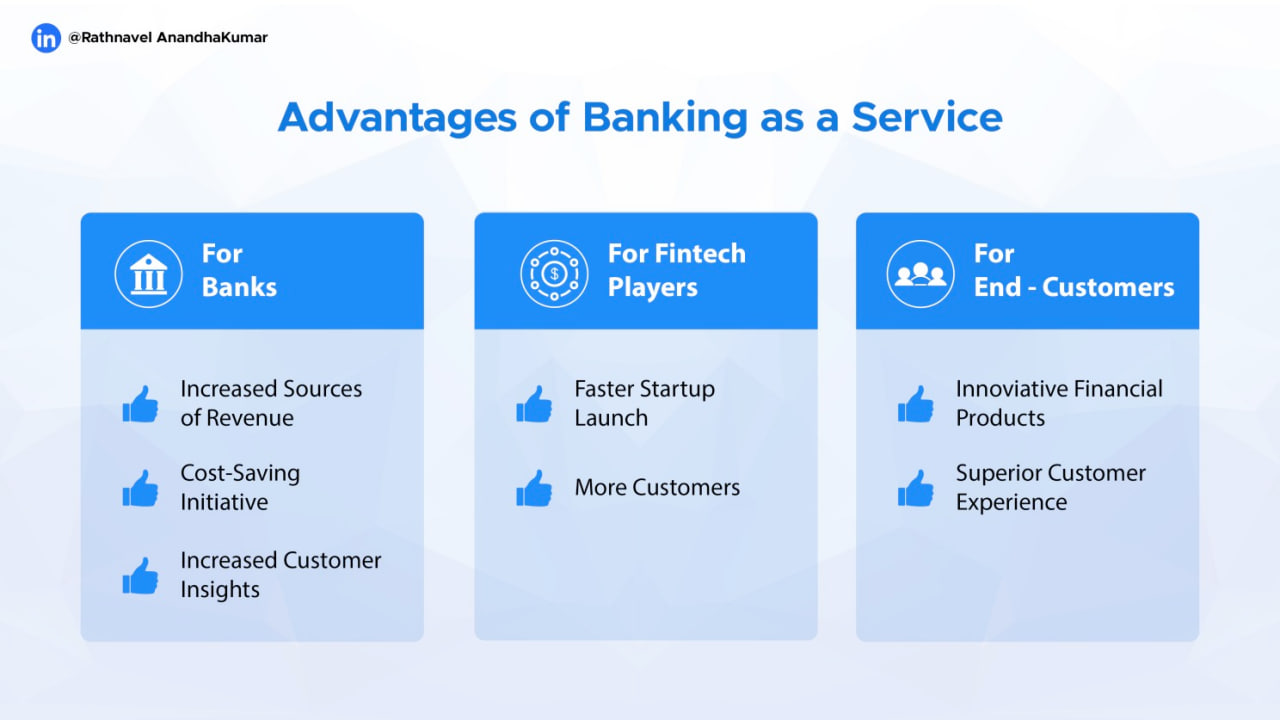
As a result, a non-bank, such as your airline, can offer its customers digital banking services such as mobile bank accounts, debit cards, loans, and payment services, without having to obtain their own banking licenses.
The airline's and bank's systems communicate via APIs and webhooks,
14. Adopt RPA, Low Code
14.1 With open banking the digital bank utilise best of the best strategy utilities in the market and also change whenever they need using APIs. Pay as you use is one major advantage
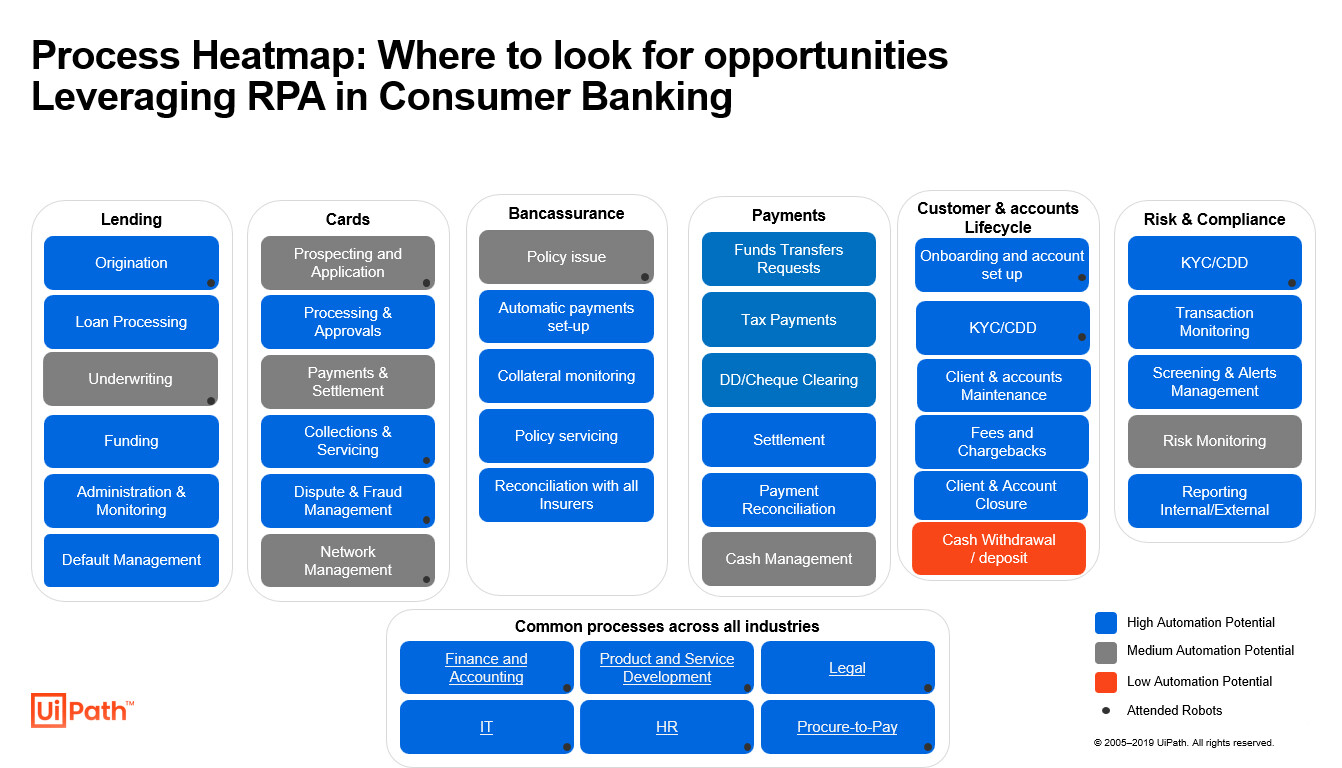
With low code platforms time to market of internal solutions are rapid
14.2 For commercial banking, customer onboarding, retail banking and lending, low code platforms can be used to do internal frontend capabilities which doesnt need exterior nice functions.
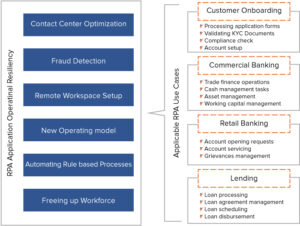
Example frameworks used in the banking space include the following
Workfusion
UIPath
Blueprism
15. Adopt Generative AI
15.1 With open banking the digital bank utilise best of the best strategy utilities in the market and also change whenever they need using APIs. Pay as you use is one major advantage
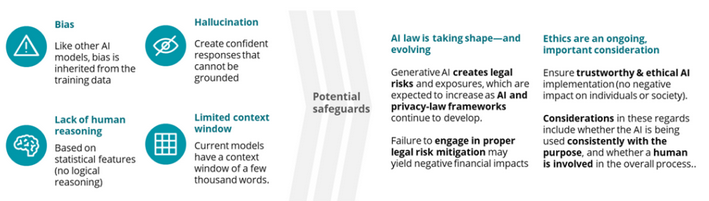
15.2 With low code platforms time to market of internal solutions are rapid

15.3 With open banking the digital bank can utilise GenAI or PredAI for different aspects of the bank processes

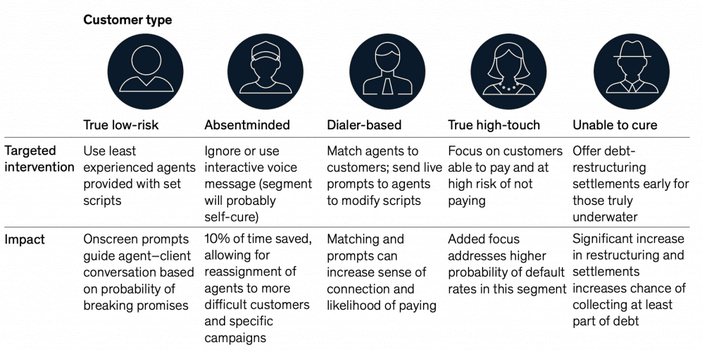
15.4 With digital bank can utilise GenAI or PredAI for different aspects of the bank processes and some examples are shown below
16. Adopt A Data Centric Architecture
With open banking the digital bank utilise best of the best strategy utilities in the market and also change whenever they need using APIs. Pay as you use is one major advantage

With low code platforms time to market of internal solutions are rapid
Example tools that can be use on the cloud or on prem with licensing or open source are shown in the table below
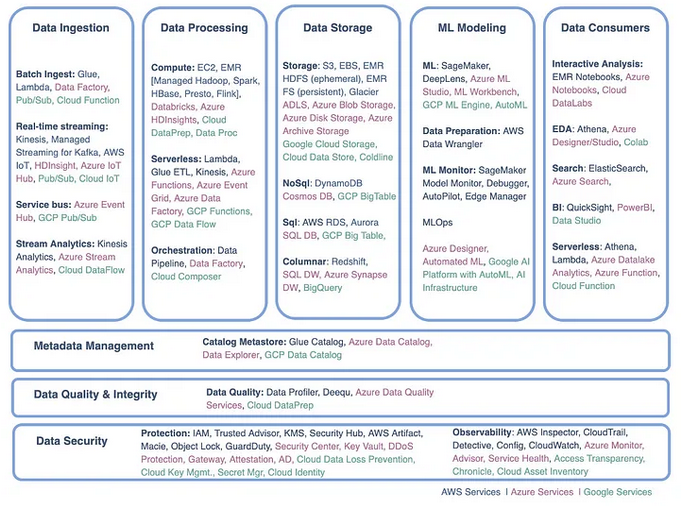
Data forms a 3 pivot for a modern bank with cloud adoption and microservices applications
17. Adopt Process Automation as center pivot
- 17.1 Automation should be central to most of the bank processes including onboarding, mantanance , payments and other third party services like procurement. Model processes from major workflow houses like IBM, Oracle's templates can be used to kickstart the onboarding journey.

- 17.2 Automation also includes Process Mining which enables AI prediction of future events.
- Technologies like IBM BPM, Camunda, Pega, Oracle Fusion can be used
- BPM notations include using BPMN, BPEL and CMMN process modelling techniques and DMN and FEEL for rules capabilities
- 17.3 The following process shows a mortgage approval process the bank can adopt

- Automation also includes Process Mining which enables AI prediction of future events.
- Technologies like IBM BPM, Camunda, Pega, Oracle Fusion can be used
- BPM notations include using BPMN, BPEL and CMMN process modelling techniques and DMN and FEEL for rules capabilities

17.4 Digital Process that can adopt automation include
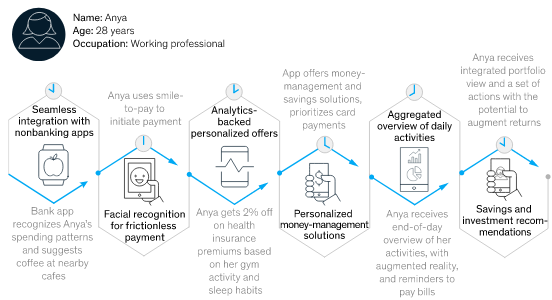
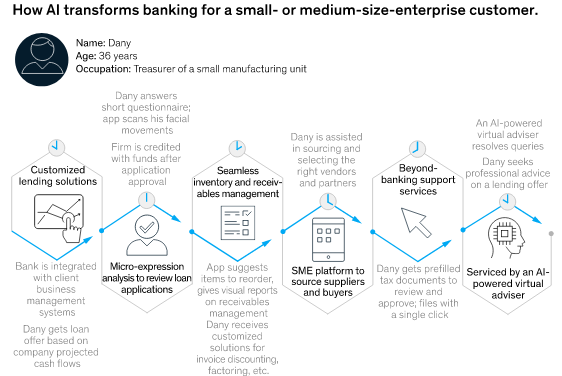
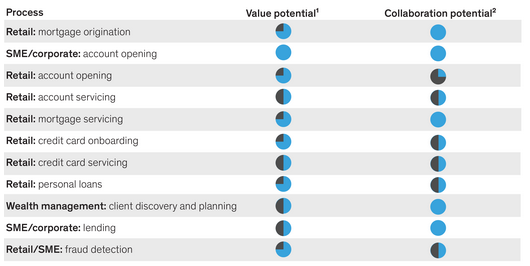
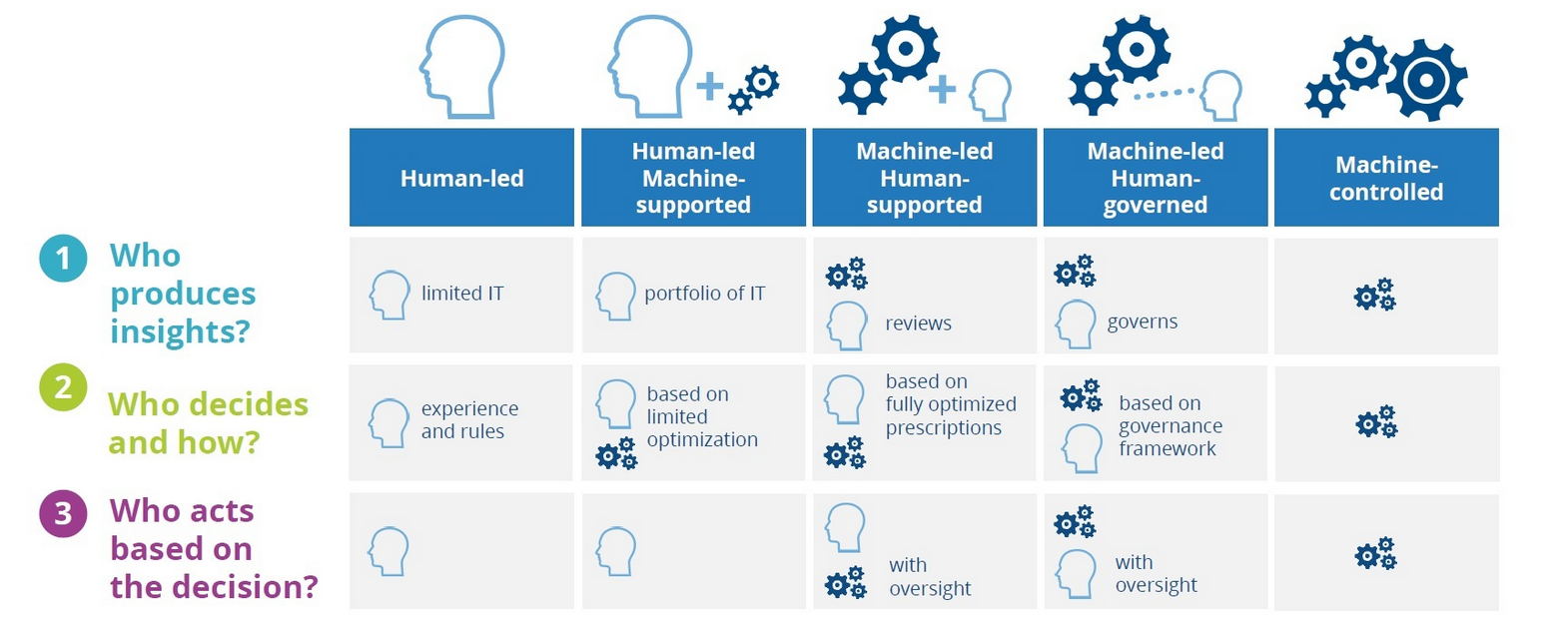
- 17.5 Automation from a machine to a bot and human task is determine by the level of automation of the bank as shown below
18. Center of Excellence
18.1 Design Center of Excellence for staff to create long term strategy

a. saves multiple groups from continually “reinventing the wheel” by defining the same process again and again.
- b. The processes created by CoE are most likely more efficient than processes created on the fly by less qualified individuals.
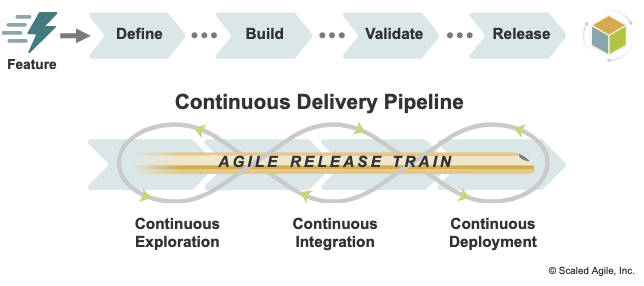
19. Adopt SAFE Agile
Digital transformed banks are defined by modern security and risk and compliant frameworks
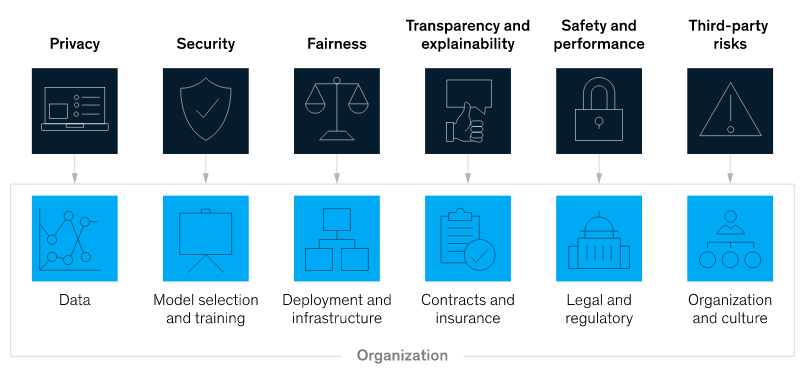
20.2 The AI Framework adoption includes data, risk monitoring, prevention and measurement.

—Adopt the Zero Trust model
21.1 Protect data using granular context-based policies: Zero trust policies verify access requests and rights based on context, including user identity, device, location, type of content, and the application being requested.
The Zscaler Zero Trust Exchange™ is a cloud native platform built on zero trust. Based on the principle of least privilege,

Adopt the use of JWT or Ping Token security
Environment-agnostic security: Protection applies regardless of communication environment, promoting secure cross-network communications without need for architectural changes or policy updates.
A zero-trust approach assumes potential compromise in any part of the network.

21.2 Zero trust is a security strategy that asserts that no entity—user, app, service, or device—should be trusted by default.

21.3 Multifactor authentication: Validation is based on user, identity, device, and location
Environment-agnostic security: Protection applies regardless of communication environment, promoting secure cross-network communications without need for architectural changes or policy updates.
22.1 Delivering Personalized Interactions

22.2. Elevate Your Omnichannel Banking Strategy With Messaging
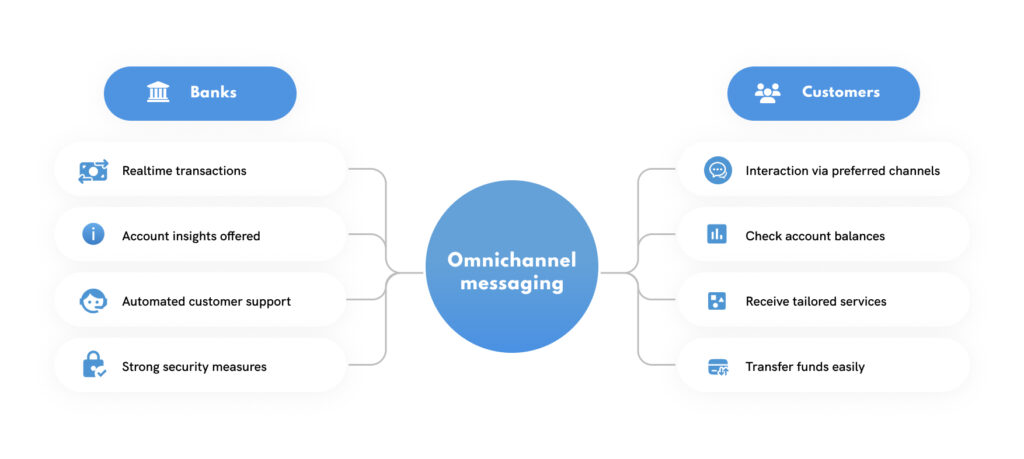
21.3 Banks see different channels. Customers see one bank.
21.4 Eliminating Disjointed Communication
21.5 Enhancing Real-Time Support
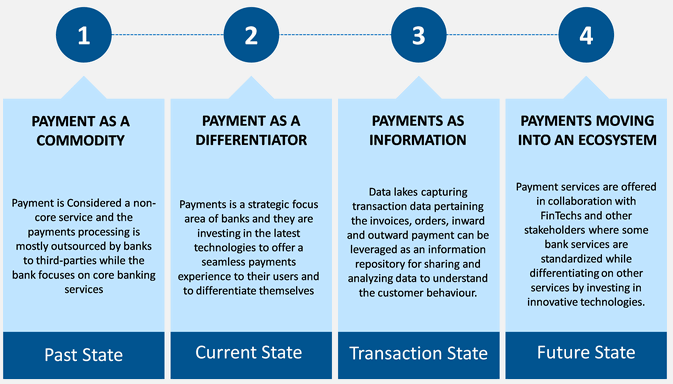
23.1 Payment models for banks will transform as shown
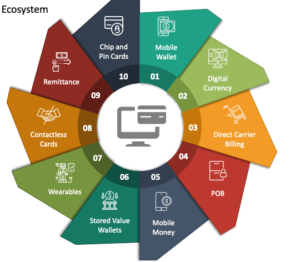
23.2 Different ecosystems of the bank are shown below and can transforms in all forms
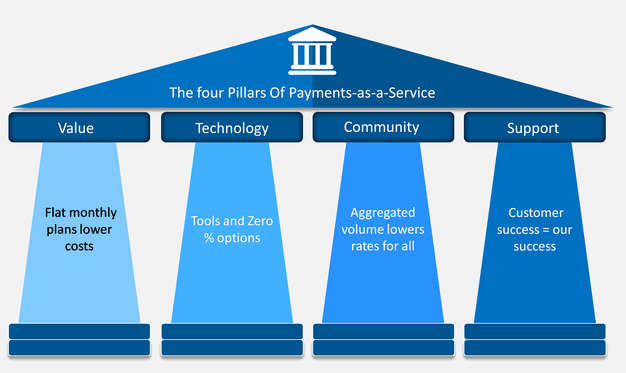
23.3. Adopt payment as a service

23.4 Banks see different channels. Customers see one bank.
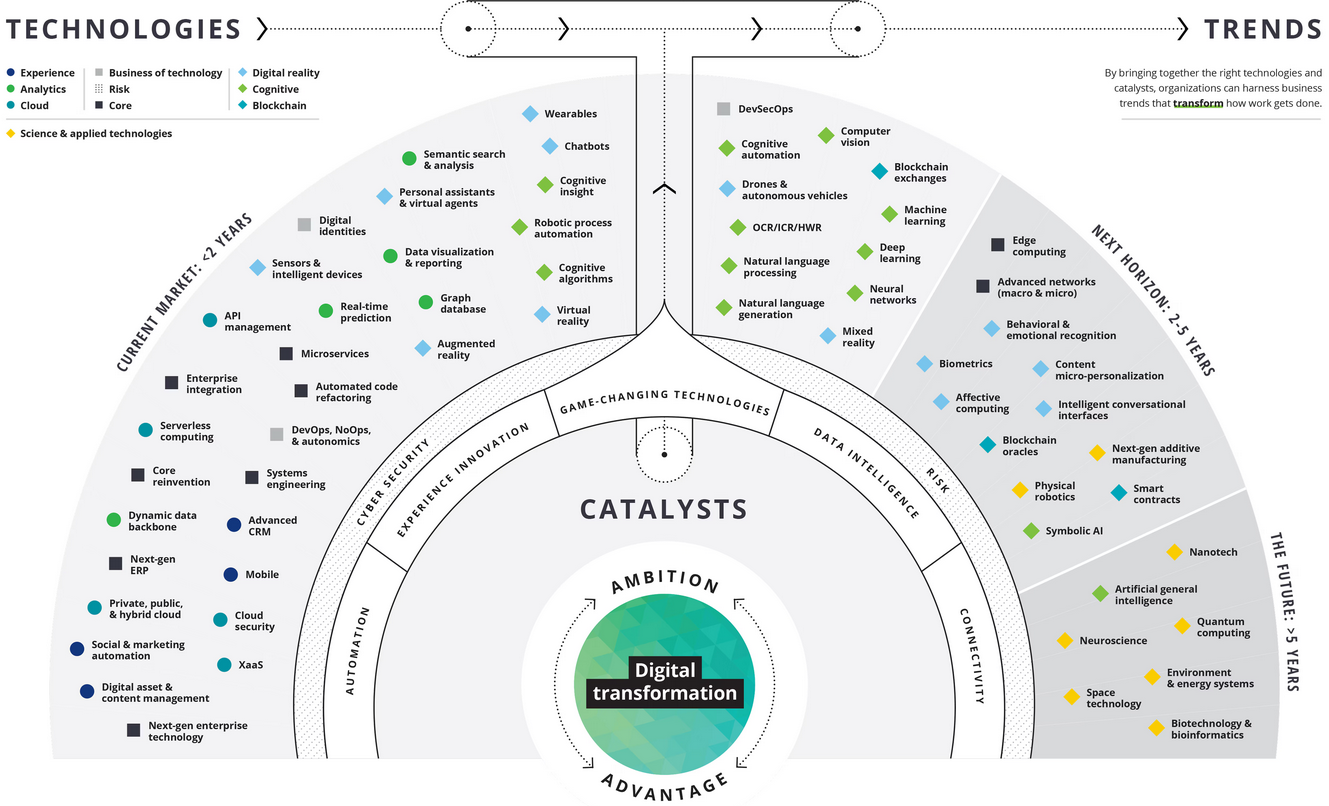
Plan for next generation technologies in a span of a decade and beyond, Electrical Cars, Quantum Computing etc
25 Conclusion
African banks have no option but to transform to compete in the global economy. Key in the transformation is adoption of AI , Automation, adopting a comprehensive business architecture as well as embracing open banking and transforming into a platform business

African banks have no option but to transform
Use of payment gateways is imperative

25.2 Key Takeaways for African Banks
Generation X and Z are all technological adaptive and demand service from banks
Cloud computing adoption is imperative
Open Banking computing adoption is imperative
AI and Blockchain transformation is becoming for transformation of banks